 blog
Home Builders in Aiken: A 2026 Guide
Table of Contents
- What Home Builders in Aiken Offer
- Questions to Ask a Home Builder Before You Sign
- Understanding Custom Home Construction Costs
- Checking Home Builder References and Reviews
- Build Timelines and Construction Milestones
- Licensing, Insurance, and Warranty Protection
- How to Choose the Right Builder for Your Project
- Frequently Asked Questions
Last Updated: October 16, 2026
What Home Builders in Aiken Offer
When planning a custom home or expansion, understanding what home builders can deliver is your first step.
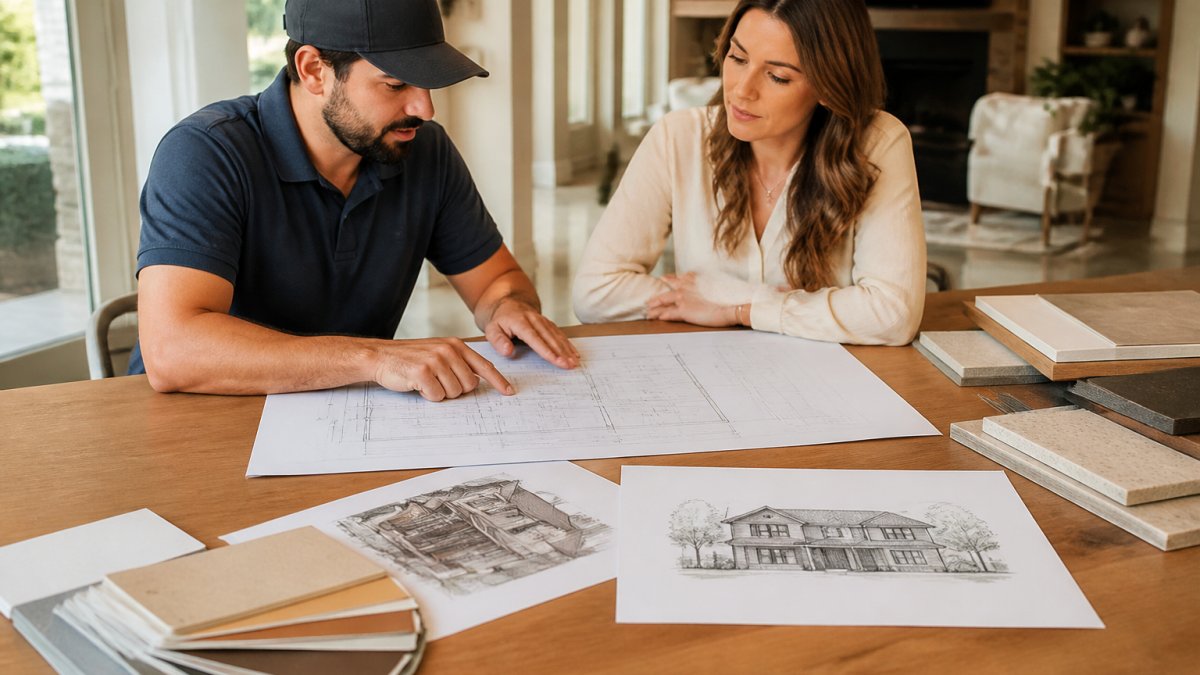
Home builders in Aiken offer far more than framing walls.
Typical services include custom home design and construction, room additions, kitchen and bathroom remodeling, concrete work, and specialty projects like garages and workshops.
What separates an average builder from an exceptional one is communication and problem-solving.
Questions to Ask a Home Builder Before You Sign
Asking the right questions before you commit protects your investment and sets clear expectations, skipping this step leads to mid-project surprises.
Ask directly about communication: how often you'll get updates, who your point of contact is, and how mid-project changes are handled.
Ask what happens when unexpected issues arise, foundation problems, outdated wiring, structural damage. How are change orders and cost overruns handled?
Ask about subcontractors: do they use the same trusted team each project or hire different people?
Understanding Custom Home Construction Costs
Cost is the biggest unknown in custom home building, and "it depends" is useless. What helps is a framework: know the national baseline, the line items that move your number, and the decisions you control.
According to the U.S. Census Bureau's Survey of Construction, the average contract price of a new single-family home sold in the U.S. has recently run roughly $500,000 to $550,000, with the median somewhat lower.
The line items that drive your number
A custom-home budget breaks into recognizable buckets. Percentages vary, but a common pattern for a mid-range custom build looks like this:
| Cost Category | Typical Share of Budget | What Moves It |
|---|---|---|
| Land / lot | Separate from construction | Location, size, utilities already at the street |
| Site work & foundation | 10-15% | Slope, soil, clearing, drainage, driveway length |
| Framing & structural | 15-20% | Plan complexity, roof lines, spans, lumber package |
| Roofing, siding, windows | 10-15% | Material tier (vinyl vs. fiber cement vs. brick) |
| Mechanical, electrical, plumbing | 10-15% | System efficiency, fixture count, smart-home wiring |
| Insulation & drywall | 5-8% | Code tier, sound control, specialty finishes |
| Cabinets, counters, flooring | 10-15% | Allowance choices, the single biggest swing factor |
| Fixtures, appliances, lighting | 5-8% | Brand tier and quantity |
| Paint, trim, doors, hardware | 5-8% | Trim package, door style, finish level |
| Permits, fees, inspections | 2-5% | Jurisdiction, plan reviews, impact fees |
| Builder overhead & profit | 15-20% | Contract structure and scope |
| Contingency | 5-10% | Site surprises, change orders, material escalation |
Allowances: where budgets quietly break
An allowance is a dollar amount set aside for an item you haven't selected yet, flooring, tile, fixtures, appliances, countertops. A $6,000 flooring allowance sounds generous until the hardwood you want runs $12,000.
Ask every builder for an allowance schedule before signing, each allowance, its dollar amount, and what tier of product it buys. Then price your actual selections against those numbers.
What site conditions add
Two lots with the same price tag can carry very different build costs. A flat, cleared lot with utilities at the street is cheapest. Add any of the following and site work climbs:
- Slope: Retaining walls, extra grading, and stepped foundations add cost quickly.
- Soil: Expansive clay or soft soils may require engineered footings, piers, or over-excavation.
- Drainage: Poor natural drainage means French drains, swales, or grading corrections.
- Access: A long driveway, a narrow road, or a low tree canopy complicates deliveries and equipment.
A builder who walks your lot before quoting is pricing reality, not a guess.
How to set a working budget
- Separate land from construction. Your construction loan or cash budget covers the build; land is financed or paid separately.
- Pick a target range, not a single number. A 10-15% band absorbs selections without derailing the project.
- Hold a contingency. Five to ten percent of construction cost is a reasonable reserve for site surprises and change orders. Don't spend it on upgrades during design.
- Lock allowances early. Finalize flooring, tile, cabinets, counters, and fixtures before framing so change orders stay small.
- Ask for a written scope. Every line item should state what's included and excluded. "Standard tile" means nothing until it names a product and price.
Checking Home Builder References and Reviews
A builder's marketing says one thing; their paperwork and past clients say another. Here's a repeatable due-diligence process that separates a promotional claim from a verified track record.
Step 1: Verify the license
Most states require residential builders to hold a contractor license and maintain a free public lookup for status, expiration, and complaints. Get the license number in writing and look it up yourself. Confirm three things: the license is active, the classification matches your work (residential vs. commercial, general vs. specialty), and there are no unresolved disciplinary actions. A lapsed or misclassified license is a stop sign, not a yellow flag.
Step 2: Confirm insurance, in writing
Ask for a Certificate of Insurance (COI) directly from the builder's insurance agent, not a photocopy from the builder. It should show:
- General liability coverage with limits appropriate to a residential construction project.
- Workers' compensation coverage for employees. If the builder uses subcontractors, ask how those subs are covered, an uninsured sub injured on your property can create liability that reaches you.
- Effective dates that cover your project window, not a policy that expired last year.
Call the agent listed on the COI to confirm the policy is current. This takes five minutes and closes a real risk.
Step 3: Request references you can actually use
"References available" is not a reference. Ask for three to five clients whose projects resemble yours, similar size and scope, completed within the last two to three years. Then call and ask questions that surface patterns, not compliments:
- Was the final price within 10% of the original contract? If not, what caused the gap?
- Did the project finish on the schedule the builder gave you at signing? If it slipped, by how much and why?
- How did the builder handle a change order or an unexpected problem?
- How quickly did they respond when you had a question during construction?
- Have you had any warranty issues, and how were they resolved?
Listen for specifics. "They were great" is noise. "We added a bathroom mid-build and they gave us a written change order within two days" is signal.
Step 4: Read reviews for patterns, not scores
Check Google reviews, the Better Business Bureau, and local community forums. A single one-star review is often an outlier. What matters is the pattern:
- Do multiple reviews mention the same problem (missed deadlines, poor communication, surprise charges)?
- Does the builder respond to negative reviews professionally, or dismissively?
- Is the volume of reviews consistent with the number of years in business?
- Are the positive reviews specific about the project, or generic?
Cross-reference review names against the reference list the builder gave you. If the same handful of names appears everywhere and no other clients are visible, ask why.
Step 5: Inspect a completed home if you can
Ask to visit a home completed at least a year ago, long enough for settlement, seasonal movement, and warranty calls to surface. Check trim alignment, door operation, grout lines, cabinet fit, and exterior drainage, and ask the owner how it's held up. A confident builder will arrange this; one who won't is telling you something.
Step 6: Read the contract before you sign
The contract is where due diligence pays off or falls apart. Before signing, confirm it includes:
- A detailed scope of work with inclusions and exclusions
- The allowance schedule (see the cost section above)
- A payment schedule tied to completed milestones, not calendar dates
- A written change-order process with pricing and approval steps
- A start date and a substantial-completion date
Step 7: Check for complaints and judgments
Beyond reviews, check your state's licensing board for formal complaints and ask about construction-defect litigation. Also request a lien history, a builder who has left unpaid subs and suppliers behind is a risk. A reputable builder answers directly; evasiveness is itself a data point.
| Verification Step | What to Request | Red Flag |
|---|---|---|
| License | License number and classification | Inactive, expired, or wrong classification |
| Insurance | COI from the agent | Expired policy or no workers' comp |
| References | 3-5 recent, similar clients | Only one reference, or none from the last two years |
| Reviews | Google, BBB, local forums | Repeated complaints about the same issue |
| Completed home | A visit to a 1+ year old build | Refusal to arrange a visit |
| Contract | Full scope, allowances, payment schedule | Vague scope, front-loaded payments |
| Complaints | Licensing board and lien history | Unresolved complaints or unpaid subs |
Due diligence is not distrust, it is how you protect a six-figure investment. A builder who welcomes these questions, provides documents promptly, and connects you with past clients is demonstrating exactly the transparency you want during construction.
Build Timelines and Construction Milestones
Understanding the construction timeline helps you plan around the project and know what to expect at each phase.
A typical custom home follows several key phases.
Foundation and site preparation, site work, foundation pour, underground utilities, typically takes four to eight weeks.
Mechanical, electrical, and plumbing (MEP) comes next, followed by insulation and drywall.
A professional home builders aiken provides a detailed timeline covering these phases, identifies the critical path, and flags bottlenecks.
Licensing, Insurance, and Warranty Protection
Before hiring a home builder, verify credentials and understand your protections if problems arise.
A licensed contractor has demonstrated competency in building codes, safety regulations, and best practices.
Insurance protects both you and the builder.
A written warranty is your recourse if problems emerge after completion.
Ask how warranty claims are handled: how quickly they respond, and whether they fix issues or refer you to subcontractors.
How to Choose the Right Builder for Your Project
Choosing the right builder is one of the most important decisions in your home building journey.
Interview at least three builders and ask the questions outlined earlier.
Evaluate responsiveness: how quickly did they return calls or emails during sales?
Consider their experience with projects like yours.
Finally, trust your instincts. You'll work closely with this person for months, so choose someone you respect and trust to deliver.
Building a custom home or adding to your existing one is a significant investment. When you're ready to discuss your project, learn more about our custom home and renovation services and schedule a consultation to explore how we can help bring your vision to life.
Frequently Asked Questions
What should I ask a home builder before signing a contract?
Ask about their experience with custom homes in your area, timeline expectations, how they handle change orders and unexpected costs, warranty coverage, and their communication process. Request references from completed projects, proof of licensing and insurance, and a detailed scope of work. Ask how they manage the permitting process and inspections. Get everything in writing, including the payment schedule and what happens if the project timeline shifts.
How do I check a home builder's license and references?
Verify licensing through your state's contractor licensing board or local building department. Contact at least three recent clients directly and ask about their experience, quality of work, adherence to timeline, and how the builder handled problems. Ask for references from similar projects, not just any completed work. Check online reviews on third-party sites, but balance them with direct conversations. Visit completed homes if possible to assess quality firsthand.
What costs should I budget for when building a custom home?
Custom home costs vary based on square footage, materials, site conditions, and design complexity. Land preparation, permits, inspections, and labor represent significant portions of the budget. Energy-efficient features, quality finishes, and custom design elements increase costs. Get a detailed estimate that breaks down materials, labor, and contingency. Budget 10-15% extra for unexpected issues like foundation problems or hidden damage. Ask your builder for a transparent cost structure so you understand what drives expenses.
How long does it take to build a custom home?
A typical custom home build takes 6-12 months, depending on size, complexity, and site conditions. Timelines include design and planning, permitting, foundation work, framing, utilities, finishing, and inspections. Weather, permit delays, and supply chain issues can extend schedules. Discuss realistic timelines with your builder upfront and confirm they can commit to a schedule. Ask how they manage delays and what happens if milestones slip. Get a construction schedule in writing with key phases and expected completion dates.