 ultimate-guide
Custom Home Renovation Cost Guide for 2026
Table of Contents
- What Drives Custom Home Renovation Costs
- Home Renovation Cost Per Square Foot in 2026
- Average Timeline for Home Renovation Projects
- Breaking Down Renovation Expenses by Category
- How to Hire a Licensed Residential Contractor
- Building Your Renovation Budget for 2026
- Frequently Asked Questions
Last Updated: October 2, 2026
What Drives Custom Home Renovation Costs
Custom home renovation cost depends on two fundamental categories: hard costs and soft costs. Understanding this distinction is essential before you start planning. Hard costs are the tangible expenses, materials, labor, equipment, that physically build your project. Soft costs are the intangibles: permits, architectural fees, project management, insurance, and financing charges.
Hard Costs vs. Soft Costs
Hard costs represent the bulk of your renovation budget. These include framing lumber, drywall, flooring, roofing materials, paint, fixtures, and the labor to install them. Hard costs typically account for 70-85% of the total project expense. They're straightforward to estimate because they're tied directly to materials and hourly labor rates.
Soft costs are often overlooked but can add 15-30% to your final bill. Permitting fees, architectural design, engineering reviews, project management overhead, and contingency reserves all fall here. Site preparation work, clearing debris, grading, utility relocations, also counts as soft costs. Many homeowners underestimate these expenses and get surprised when the final invoice arrives. A common mistake is assuming soft costs are optional or minimal. They're not. They're the infrastructure that keeps your project legal, safe, and on schedule.
Material Selection and Quality Impact
The materials you choose directly determine your renovation cost per square foot. Budget-grade finishes, laminate countertops, vinyl flooring, basic cabinetry, cost less upfront but may require replacement within 10-15 years. Mid-range materials, solid surface countertops, engineered hardwood, semi-custom cabinetry, balance durability and cost. Premium finishes, granite or quartz countertops, real hardwood, custom cabinetry, command higher prices but deliver longevity and aesthetic appeal.
Your choice here isn't just about today's budget. It's about long-term value. A kitchen renovation with premium finishes often returns a significant portion of the investment when you eventually sell, while budget finishes may return less. However, if you're staying in the home long-term, mid-range materials often represent the smartest balance. RTS Builders, LLC works with homeowners to match material choices to both budget and lifestyle expectations, ensuring you're not overspending on features you won't use or underspending on durability you'll regret.
Home Renovation Cost Per Square Foot in 2026
The cost per square foot varies widely depending on renovation scope. A cosmetic update, new paint, fixtures, flooring, typically runs lower per square foot than a gut renovation that includes structural work, system upgrades, and custom finishes. For 2026, expect to budget accordingly based on your specific project type.
Factors Influencing Per-Square-Foot Pricing
Several factors shift your per-square-foot cost. Labor rates in the Augusta area reflect local market conditions and contractor experience. A licensed residential contractor with over 10 years of experience commands higher hourly rates than newer contractors. Site conditions matter too: if your foundation is solid and your existing systems are in good shape, costs stay lower. If hidden damage emerges during demolition, rot, structural issues, outdated wiring, costs climb quickly.
Material availability and supply chain delays also influence pricing. Local lumber yards, suppliers, and subcontractor availability affect how quickly materials arrive and how efficiently work progresses. Custom finishes and special-order items add lead time and cost. The complexity of your project's design, custom cabinetry, intricate tile work, architectural details, increases labor hours and thus per-square-foot expense. Simple, straightforward designs cost less to execute than highly customized ones.
Gut Renovation vs. Cosmetic Updates
A gut renovation strips a space down to the studs, addressing structural integrity, systems, and finishes from the ground up. This approach costs significantly more per square foot because every layer, framing, insulation, electrical, plumbing, HVAC, gets replaced or upgraded. However, a gut renovation lets you modernize everything at once and often prevents future problems.
A cosmetic update refreshes surfaces and fixtures without touching structural systems or major installations.
Average Timeline for Home Renovation Projects
Most custom home renovation projects vary in duration depending on scope. A kitchen renovation typically requires several weeks. A full-home renovation can stretch several months. These timelines account for permitting, material procurement, construction phases, and inspections.
Permitting and Site Preparation
Permitting adds 2-4 weeks to your timeline before construction even starts. Your contractor must submit plans to the local building department, and inspectors review them for code compliance. Site preparation, clearing the work area, protecting existing structures, setting up temporary utilities, adds another 1-2 weeks. This phase is critical. A licensed residential contractor like RTS Builders, LLC handles permitting and site prep professionally, preventing delays that cost time and money.
Structural Work and System Upgrades
If your renovation includes structural changes, removing walls, adding support beams, foundation work, add 4-8 weeks. Structural work requires engineering review and building department inspection at multiple stages. HVAC, plumbing, and electrical upgrades also demand careful sequencing. Rough-in work (running ducts, pipes, and wire before walls close) must pass inspection before drywall installation begins.
Breaking Down Renovation Expenses by Category
Understanding where your money goes helps you make informed decisions and spot unrealistic quotes. Most custom home renovation costs fall into five main categories: site work and foundation, HVAC/plumbing/electrical systems, finishes and cabinetry, labor, and contingency.
Foundation and Site Work
Foundation and site preparation expenses include excavation, grading, drainage, concrete work, and any structural repairs. If your renovation involves adding square footage, a room addition or garage, site work becomes a significant line item. Foundation work is non-negotiable and cannot be cut without compromising structural integrity. Proper site preparation prevents water damage, settling issues, and long-term problems.
HVAC, Plumbing, and Electrical Systems
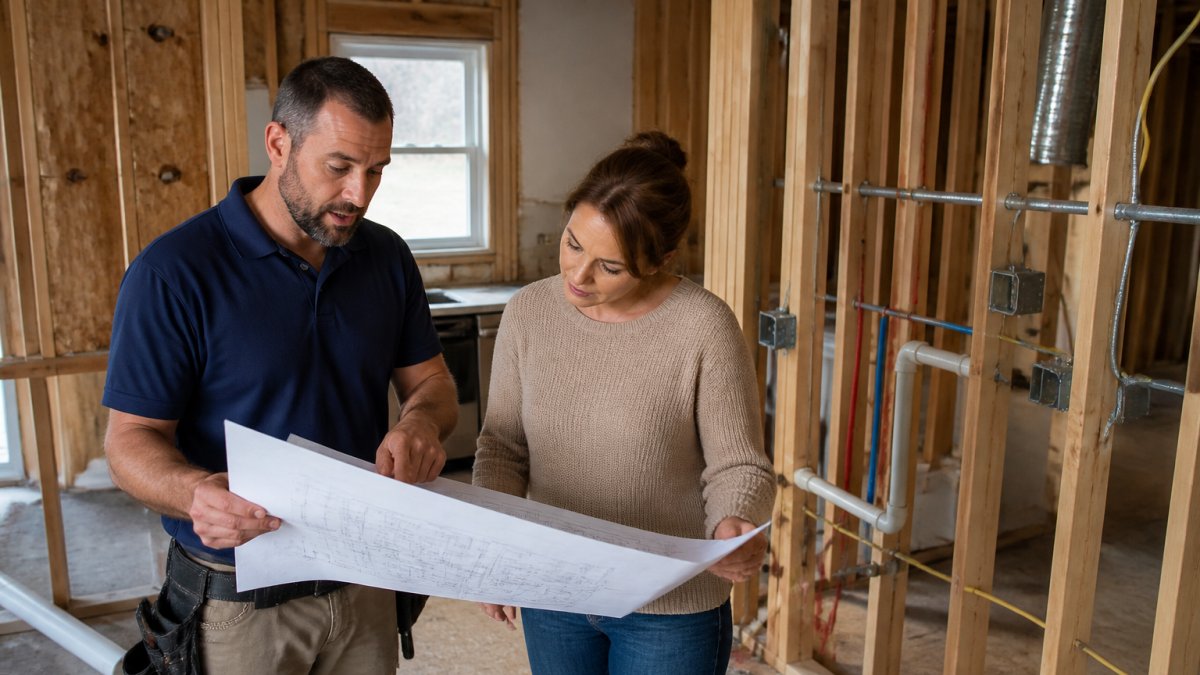
System upgrades typically represent 15-25% of your renovation budget. HVAC installation includes ductwork, equipment, and controls. Modern systems offer better efficiency than older units, reducing long-term energy costs. Plumbing rough-in involves running new lines, installing fixtures, and ensuring code compliance. Electrical upgrades include panel work, new circuits, outlets, and lighting. These systems are installed in phases: rough-in before walls close, then finish work afterward.
Custom Finishes and Cabinetry
Custom cabinetry, countertops, flooring, and tile work are often the most visible, and sometimes the most expensive, parts of a renovation. Custom cabinetry can represent a significant portion of a kitchen renovation budget. High-end countertops, premium flooring, and detailed tile work add up quickly. However, these finishes define the space's look and feel, so many homeowners prioritize quality here.
How to Hire a Licensed Residential Contractor
Choosing the right contractor determines whether your renovation runs smoothly or becomes a nightmare. A licensed residential contractor brings expertise, accountability, and peace of mind. Here's what to evaluate before hiring.
Verification and Experience Assessment
Start by verifying licensing. A licensed contractor has passed examinations, carries insurance, and is accountable to the state licensing board. Ask for proof of current licensing and worker's compensation insurance. Check references, call at least three past clients and ask specific questions: Did the project stay on schedule? Were there unexpected cost increases? How was communication? Did the final work meet expectations?
Communication and Project Management
Communication separates good contractors from great ones. Your contractor should explain the process clearly, answer questions promptly, and keep you informed about progress and any issues. Poor communication creates stress and misunderstandings. Great communication builds trust and prevents surprises.
| Contractor Evaluation Criteria | What to Look For |
|---|---|
| Licensing | Current state license with proof of insurance |
| Experience | 10+ years in residential construction; relevant project history |
| References | At least 3 past clients willing to discuss their experience |
| Communication | Prompt responses, clear explanations, written change orders |
| Job Site | Clean, organized, respectful of your home and property |
| Warranty | Written guarantee on workmanship; clear terms |
| Subcontractors | Vetted, experienced, properly licensed |
Building Your Renovation Budget for 2026
Creating a realistic budget prevents financial stress and keeps your project on track. Start by defining your renovation scope clearly: What exactly are you changing? Are you doing cosmetic updates or structural work? Will you add square footage? Your scope determines your budget.
Contingency Funds and Change Orders
A contingency fund, typically 10-20% of your total budget, covers unexpected expenses. During demolition, contractors sometimes discover hidden problems: water damage, outdated wiring, structural issues. These discoveries require additional work and cost. A contingency fund lets you address these problems without derailing your finances or timeline.
Energy Efficiency and Long-Term ROI
Energy-efficient upgrades, better insulation, ENERGY STAR HVAC systems, LED lighting, efficient windows, cost more upfront but reduce utility bills for years. Many homeowners view these upgrades as investments rather than expenses. Over 10-15 years, energy savings often exceed the initial investment.
Frequently Asked Questions
What is the average cost per square foot for custom home renovations in 2026?
Cost per square foot varies widely based on renovation scope, local labor rates, and material choices. Cosmetic updates typically cost less than gut renovations involving structural work and system upgrades. Labor availability and material procurement timelines in your area also affect pricing. Contact a licensed residential contractor for a detailed estimate based on your specific project scope and finish levels.
How do I hire a licensed residential contractor for my custom home renovation?
Verify the contractor holds a valid residential license in your state and check their experience with projects similar to yours. Ask for references, review their approach to project management and communication, and ensure they understand local building codes and permitting requirements. Request a detailed written contract that outlines the scope, timeline, and how change orders will be handled. A contractor with hands-on leadership and clear communication will keep you informed throughout the project.
How long does a custom home renovation typically take?
Timeline depends on project scope. Permitting and site preparation can add 2-4 weeks. Structural work, HVAC installation, plumbing rough-in, and electrical upgrades typically take 4-8 weeks. Custom cabinetry, finish work, and final inspections add another 4-6 weeks. Unexpected issues like foundation problems or hidden damage can extend timelines. A licensed contractor with experience managing subcontractors and maintaining organized job sites helps keep projects on schedule.
What should I budget for contingency costs in my renovation?
Most experts recommend setting aside 10-20% of your total project budget as a contingency fund for unexpected expenses. Older homes frequently reveal hidden damage during renovation, foundation issues, water damage, or outdated systems, that require additional work. Change orders should be documented in writing with cost and timeline impacts clearly outlined. A transparent contractor will discuss contingency planning upfront and keep you informed if costs shift.