 how-to
Clean and Respectful Job Sites: A Construction Process Guide
Table of Contents
- Why Clean and Respectful Job Sites Matter
- Construction Site Housekeeping Best Practices
- Home Renovation Daily Cleanup Routines
- Construction Site Cleanup Checklist for Each Phase
- Construction Project Communication Plan
- Design Guidance for Cleanability and Site Respect
- Protecting Homeowners, Neighbors, and Workers
- Frequently Asked Questions
Last Updated: October 7, 2026
Why Clean and Respectful Job Sites Matter
Clean job sites construction projects signal professionalism, safety, and respect.
A disorganized site breeds mistakes: debris becomes a hazard, dust spreads into living spaces, and neighbors grow frustrated.
The real issue isn't appearance: a messy job site signals poor planning, creates liability, delays inspections, and breaks trust.
That's why we treat site housekeeping as core project management: clean and respectful job sites throughout the construction process protect your home, family, and neighborhood.
Construction Site Housekeeping Best Practices
Construction site housekeeping best practices start with one principle: designate spaces for everything, so workers know where tools, materials, and waste belong.
Here's what works:
- Create work zones. Set up separate areas for active work, material storage, and waste disposal. Mark them clearly with tape or signs.
- Contain dust and debris. Use tarps and plastic sheeting to isolate work areas from living spaces. Seal doorways and vents.
- Sweep daily. Assign one crew member to sweep floors and walkways at the end of each shift. Dust settles fast and gets tracked everywhere.
The key is consistency. One day of cleanup doesn't matter if the next day is chaos. Crews need a routine. A schedule. Accountability.
Home Renovation Daily Cleanup Routines
Home renovation daily cleanup routines protect your living space while work happens. Most homeowners underestimate how much dust a renovation creates; without a plan, construction spreads into bedrooms, kitchens, and bathrooms.
Here's a proven routine:
- Seal the work area first thing. Use plastic sheeting and duct tape to isolate the renovation zone from the rest of your home. Tape vents. Block doorways. This single step cuts dust infiltration by 80%.
- Sweep and vacuum twice daily. Once at lunch. Once at end of shift. Use a shop vacuum with a HEPA filter to catch fine dust.
- Wipe down surfaces in adjacent rooms. Dust settles on counters, shelves, and furniture. A quick wipe-down prevents buildup.
- Empty trash daily. Don't let construction debris pile up. Remove bags at the end of each day.
- Mop hard floors. Dust on tile or wood gets tracked through the house. A daily mop keeps it contained.
- Air out the home. Open windows in unaffected areas to maintain air circulation. Use fans to push dust toward exits, not deeper into the home.
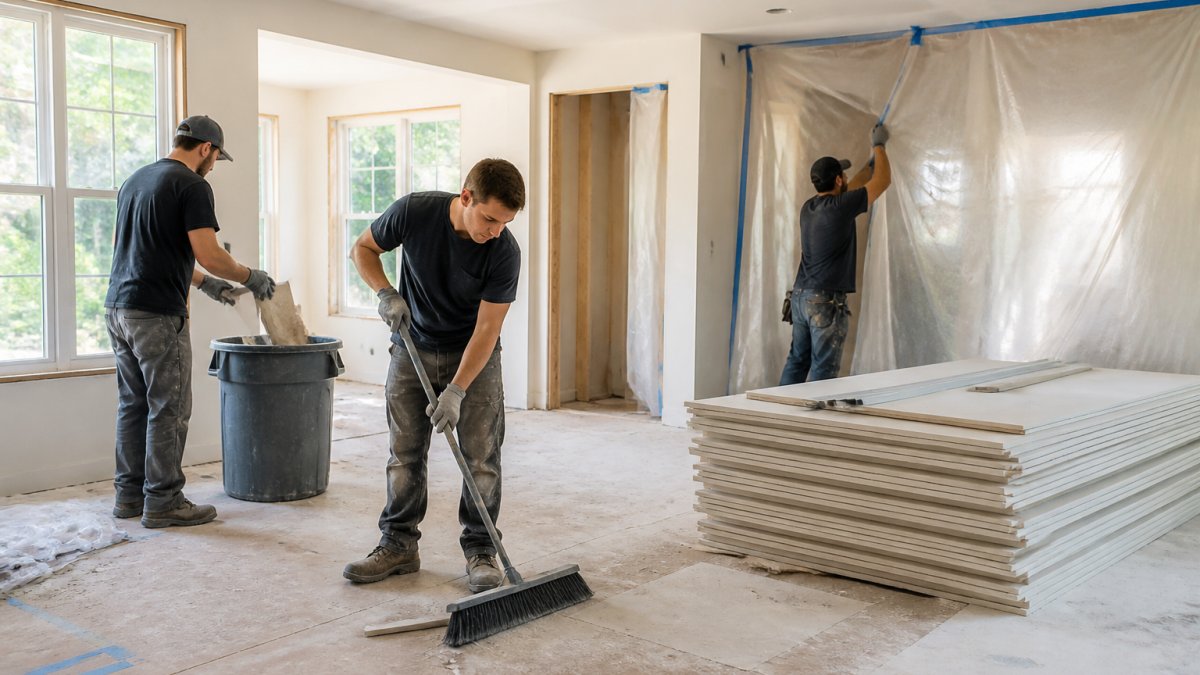
Consistency matters more than perfection: daily sweeping keeps dust manageable, while weekly cleaning creates a disaster.
Construction Site Cleanup Checklist for Each Phase
Most cleanup advice stops at "sweep daily." That is not a plan. A plan assigns a standard, an owner, and an inspection to every phase, from design through handoff. Here is one you can adapt to any residential project.
Design and Planning Phase
Cleanup starts before a single tool arrives; decisions here determine how easy the site is to keep clean later.
- Focus: Clear the work area of stored items, protect existing finishes, and set up the site logistics that every later phase depends on.
- Standard: A written site logistics plan exists before mobilization. It names the dumpster location, the material staging area, the waste sorting area, the protected path for occupants, and the designated crew entry point.
- Owner: Project manager, with input from the lead carpenter and the homeowner.
Demolition Phase
Demolition produces the most debris and dust per hour of any phase.
- Focus: Contain dust at the source, remove debris daily, and keep the path between the work zone and the dumpster clear.
- Standard: Plastic barriers seal the work zone from occupied space. Debris leaves the site or reaches the dumpster by end of shift, not end of week. Hazardous materials such as asbestos-containing finishes or lead paint are identified before demolition begins and handled by a licensed abatement contractor.
- Owner: Demolition crew lead, with the project manager verifying containment at the start of each shift.
Framing Phase
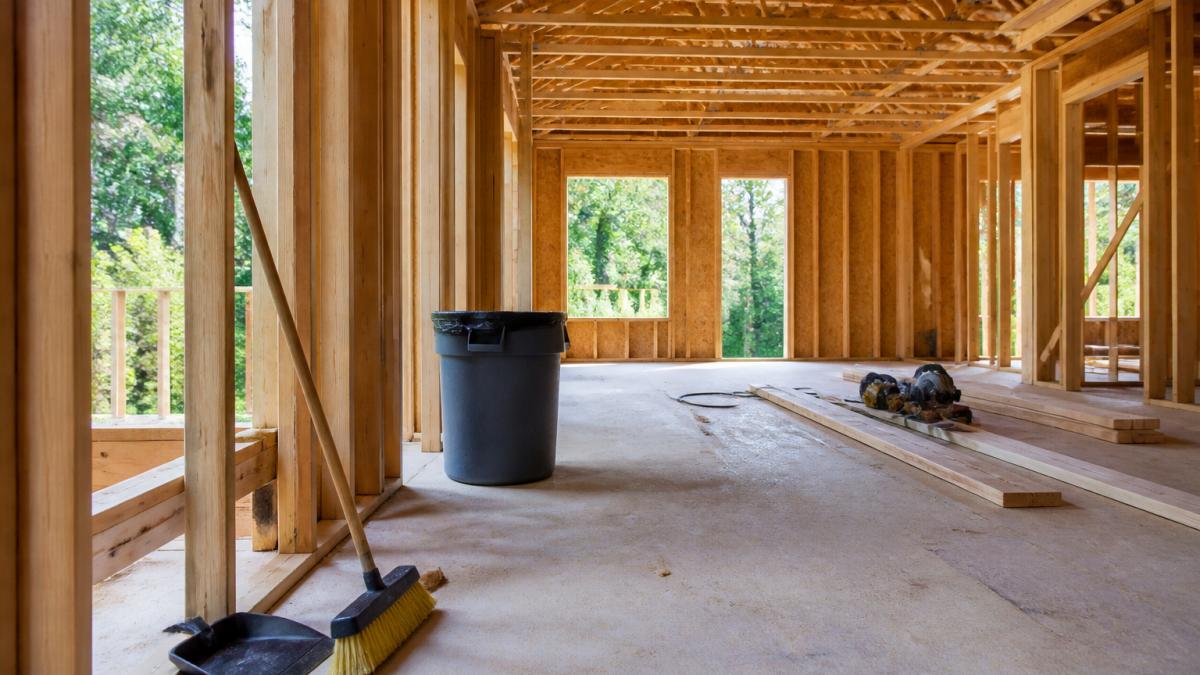
Framing generates scrap lumber, fasteners, and sawdust, and opens the structure to weather.
- Focus: Clear scrap daily, organize lumber by dimension, and keep walkways and stair openings safe.
- Standard: No loose fasteners on walking surfaces. Scrap lumber stacked in one designated area or removed. Stair openings and floor penetrations covered or barricaded. Sawdust swept at least once per shift.
- Owner: Framing crew lead.
Systems Phase (Electrical, Plumbing, HVAC)
Multiple trades share the same space here, which is when site discipline usually slips.
- Focus: Coordinate trade sequencing so crews are not tripping over each other, and keep packaging, wire scraps, and fittings contained.
- Standard: Each trade cleans its own work area at the end of its shift. No trade leaves another trade's materials blocking access. HVAC openings are sealed when work pauses to keep dust out of the ductwork.
- Owner: Each trade's foreman, coordinated by the general contractor's superintendent.
Drywall and Finishing Phase
Drywall dust is the biggest source of homeowner complaints: it travels through the air, settles on every surface, and gets pulled into HVAC systems.
- Focus: Aggressive dust control, sealing of returns and registers, and progressive cleaning as work moves from room to room.
- Standard: HVAC returns and registers sealed before sanding begins. Sanding areas isolated with plastic. Floors swept and vacuumed with a HEPA-filtered shop vacuum at least twice per shift. Adjacent occupied rooms wiped down daily.
- Owner: Drywall and finishing crew lead.
Final Cleanup Phase
Final cleanup is not a single event but a sequence ending with a walkthrough the homeowner can trust.
- Focus: Remove all construction debris, deep clean every surface, dispose of hazardous waste through proper channels, and inspect for anything missed.
- Standard: No construction debris remains on site. All surfaces wiped, floors cleaned, windows washed, and fixtures polished. Hazardous waste documented and disposed of through a licensed hauler. Punch list items resolved before the final walkthrough.
- Owner: Project manager, with a dedicated cleaning crew for the deep clean.
Handoff and Post-Handoff
The phase most contractors skip. Site care does not end when the crew leaves.
- Focus: Confirm the home is clean, the site is restored, and the homeowner knows how to reach you if something is wrong.
- Standard: Landscaping restored, exterior debris removed, and a written handoff packet delivered that includes warranty information and contact protocols.
- Owner: Project manager.
Each phase requires a specific approach: what works for framing fails during finishing. A contractor who adjusts the cleanup routine to the work keeps the site clean from design through handoff, not just on days someone remembers to sweep.
Construction Project Communication Plan
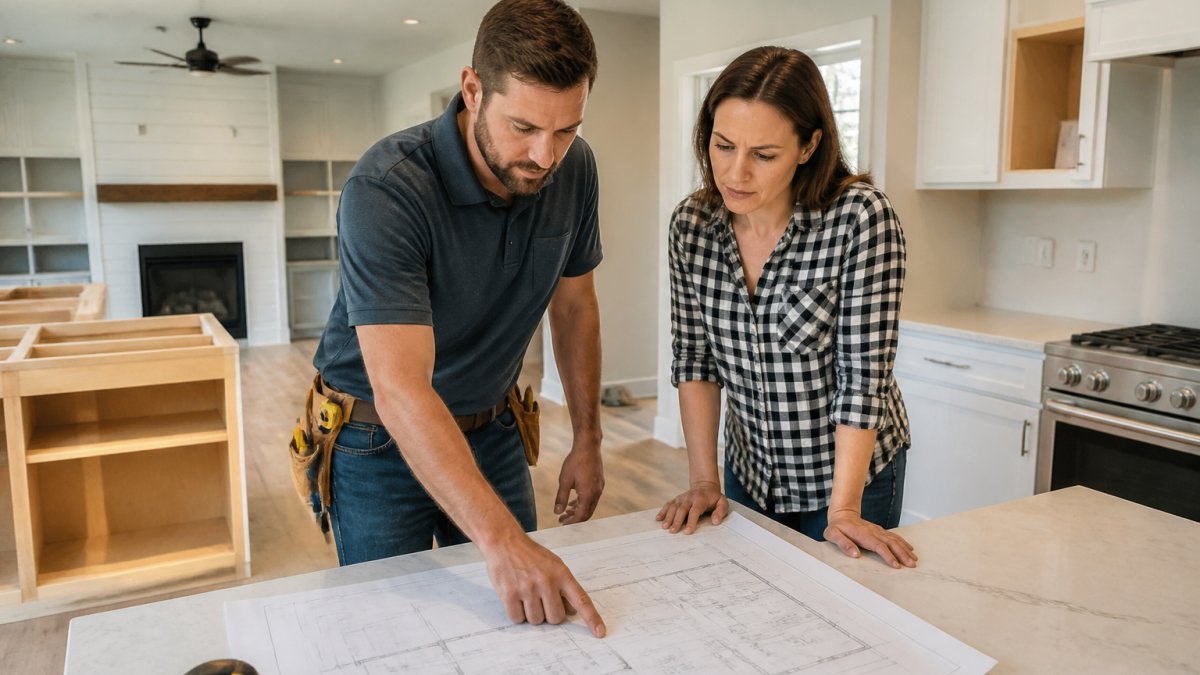
Communication is not a newsletter. It is a system with named roles, defined frequencies, and a clear path from concern to resolution. Without that structure, homeowners fill silence with worry and small issues become disputes.
Here is a communication plan built around four elements: who communicates, what they communicate, how often, and what happens when something goes wrong.
Roles and Responsibilities
Every project needs three communication roles filled by name, not title.
- Primary contact. One person the homeowner calls or texts with any question. Usually the project manager. This person answers within one business day. The homeowner never has to guess who to call.
- Site lead. The person on site every day who owns cleanup, safety, and trade coordination. This person reports site conditions to the primary contact at the end of each shift.
- Escalation contact. The owner or senior manager who steps in if the primary contact cannot resolve an issue. This person's name and number are in the homeowner's handoff packet from day one.
Avoid rotating the primary contact during vacations or busy periods; it forces the homeowner to repeat their concern, eroding trust.
Communication Cadence
Set the frequency before work starts and hold to it even when there is nothing new to report.
- Daily: Site lead sends a brief end-of-shift update to the primary contact. Three lines: what was done, what is next, any issue that needs a decision.
- Weekly: Primary contact sends the homeowner a written update with photos. Include progress against the schedule, upcoming work, and any decisions needed from the homeowner.
- Biweekly: Primary contact conducts a walkthrough with the homeowner. This is the inspection checkpoint. Cleanliness, safety, and workmanship are reviewed together.
Measurable Housekeeping Standards
Communication about cleanliness only works if cleanliness has a standard. Vague promises like "we keep a clean site" mean nothing. Use pass/fail criteria the homeowner can verify.
- Walkways: Clear of tools, materials, cords, and debris at all times. Fail if a walkway requires stepping over or around anything.
- Work zones: Defined by tape, signage, or barriers. Fail if the boundary is missing or has been moved without notice.
- Dust containment: Plastic barriers intact, HVAC registers sealed, no visible dust outside the work zone. Fail if dust is visible in occupied space.
Inspection Frequency
Inspections keep standards real. Schedule them, do them, and record them.
- Daily: Site lead walks the site at end of shift and corrects any fail items before leaving.
- Weekly: Primary contact inspects against the housekeeping standards and photographs the site. Photos go into the project file.
- Biweekly: Homeowner walkthrough with the primary contact. The homeowner can flag anything that looks off.
Escalation Procedures
An unresolved concern becomes a complaint; an unresolved complaint becomes a dispute. The escalation path prevents that drift.
- Homeowner raises the concern to the primary contact by phone, text, or email. The primary contact acknowledges within one business day.
- Primary contact resolves within three business days or provides a written plan with a resolution date.
- If unresolved, the homeowner contacts the escalation contact. The escalation contact responds within one business day and takes ownership of the resolution.
- If still unresolved, both parties agree to a documented meeting with a neutral third party, such as a mediator or the state licensing board's complaint process, before any legal action is considered.
Document every step: a written record of who said what and when protects both homeowner and contractor.
Neighbor Communication
Neighbors did not hire you, but they live with the consequences. Treat them as stakeholders.
- Before work starts: Deliver a written notice with the project timeline, work hours, and a contact number for concerns.
- During work: Post a sign at the site with the primary contact's number. If a neighbor raises a concern, the primary contact responds within one business day.
- After work: A brief note thanking neighbors for their patience and confirming the project is complete.
Documentation
Every communication should leave a record.
- Photograph site conditions weekly and before any phase change.
- Log every homeowner and neighbor concern with date, description, and resolution.
- Keep change orders, inspection reports, and phase checklists in one project file.
This transparency replaces guesswork with a system.
Design Guidance for Cleanability and Site Respect
Design choices during planning affect how clean job sites construction projects can be throughout the work. Smart design makes cleanup easier; poor design makes it harder.
Consider these design elements:
Sealed Finishes
- Use durable, easy-to-clean materials in high-traffic areas
- Avoid porous surfaces that trap dust
- Choose finishes that resist staining during construction
Layout and Access
- Design clear pathways for material movement
- Minimize the distance debris must travel
- Plan storage areas for materials and tools
Temporary Protection
- Plan where protective barriers will go
- Design HVAC sealing points in advance
- Identify which areas need dust containment
Waste Management
- Plan dumpster placement and sizing
- Design recycling areas for reusable materials
- Identify hazardous waste disposal needs
Environmental Considerations
- Plan erosion control for outdoor work
- Design mud management at site exits
- Plan water runoff containment
Thoughtful design reduces the burden on crews: clear pathways speed cleanup, planned storage keeps materials from scattering, and designated waste areas contain debris.
Protecting Homeowners, Neighbors, and Workers
Clean and respectful job sites throughout the construction process protect three groups: homeowners, neighbors, and workers.
Homeowner Protection
- Contained dust prevents damage to belongings
- Clear walkways reduce tripping hazards
- Organized materials prevent loss or theft
Neighbor Considerations
- Dust control prevents spread to adjacent properties
- Noise management respects neighborhood peace
- Organized parking prevents street obstruction
Worker Safety
- Clear walkways prevent trips and falls
- Organized materials prevent injuries
- Proper waste disposal prevents exposure to hazards
OSHA guidelines emphasize housekeeping as a core safety requirement. Cluttered sites cause injuries.
The best contractors treat site cleanliness as a safety priority, not a cosmetic issue.
When you work with RTS Builders, LLC, you get more than quality craftsmanship: a team committed to clean and respectful job sites throughout the construction process. From custom homes to room additions to concrete work, we deliver projects built right and managed with care.
Ready to start a project with a contractor who prioritizes clean, organized, and respectful job sites?
Frequently Asked Questions
How often should a construction site be cleaned?
Daily cleanup at the end of each work shift maintains safety and professionalism. Debris should be removed from walkways and work areas immediately, with a thorough site sweep before leaving. For major renovations or custom home builds, mid-day tidying prevents hazards from accumulating. Weekly deep cleaning of common areas, bathrooms, and dust-prone zones keeps the site respectful for homeowners and neighbors. The frequency depends on project size and phase; active demolition requires more frequent cleanup than finishing work.
What should be included in a construction cleanup checklist?
A comprehensive construction site cleanup checklist includes: removing debris and scrap materials daily, sweeping and vacuuming work areas, clearing walkways and access routes, organizing tools and equipment in designated zones, protecting finished surfaces with coverings, managing dust and mud at site entrances, securing hazardous materials, inspecting for trip and slip hazards, checking that barriers and warning signs are in place, and verifying that personal protective equipment is properly stored. Phase-specific items should be added, for example, post-demolition cleanup includes larger debris removal, while finishing phases focus on dust control and surface protection.
How can homeowners set expectations for construction site cleanliness?
Discuss cleanliness standards and daily cleanup routines before work begins. Request a written communication plan that outlines how often the site will be cleaned, what areas will be protected, and how debris will be managed. Ask for a site housekeeping checklist that the crew will follow, and establish a schedule for progress updates with photos. Set clear boundaries about access to other areas of the home, parking, and noise hours. Request weekly walkthrough inspections so you can address concerns early. A contractor committed to clean, respectful job sites will welcome these conversations and provide detailed documentation.
What are the seven stages of construction?
The typical construction phases are: (1) Design and planning, (2) Site preparation and foundation work, (3) Framing and structural assembly, (4) Mechanical, electrical, and plumbing installation, (5) Drywall and interior finishing, (6) Final finishing and trim work, and (7) Inspection, cleanup, and project handoff. Each phase has distinct housekeeping requirements, demolition and framing generate heavy debris, while finishing phases demand dust control and surface protection. A phase-by-phase cleanup plan ensures the site remains safe and organized throughout the entire construction process.