 listicle
Benefits of Concrete Patio Installation
Table of Contents
- Why Concrete Patios Deliver Long-Term Value
- Durability and Strength for Heavy Foot Traffic
- Concrete Patio Pros and Cons: A Balanced Look
- Concrete Patio Maintenance: What to Expect
- Concrete Patio Cost Per Square Foot and Lifetime Value
- Concrete Patio vs Pavers: Which Works Better
- Design Versatility and Customization Options
- Frequently Asked Questions
Last Updated: October 4, 2026
Why Concrete Patios Deliver Long-Term Value
A concrete patio is a durable outdoor surface made from poured concrete that provides a stable foundation for entertaining, dining, and relaxing in your backyard. At RTS Builders, LLC, we help homeowners across the Augusta area understand why concrete remains one of the most practical choices for patio installation. When you're investing in your outdoor living space, the benefits of concrete patio installation extend far beyond the initial pour, they compound over years and decades.
The real question isn't whether concrete works. It's whether you understand what you're getting into before you commit. Concrete patios require upfront planning, proper installation, and realistic expectations about maintenance. But when done right, they deliver value that few other materials can match. Here's what matters most.
Durability and Strength for Heavy Foot Traffic
Concrete can withstand decades of use without structural failure. A properly installed concrete patio handles foot traffic, furniture weight, and seasonal stress that would damage softer materials. This durability is why concrete remains the standard for residential patios across different climate zones.
Strength comes from the concrete mix itself. The ratio of cement, sand, aggregate, and water determines how well your patio resists cracking and wear. Professional contractors understand these proportions and adjust them based on your local soil conditions and climate. RTS Builders, LLC uses proven installation methods to ensure your concrete slab cures properly and develops maximum strength before you place any weight on it.
Heavy foot traffic, the kind you get during backyard gatherings or regular family use, won't degrade concrete the way it does pavers or natural stone. Concrete distributes load evenly across the entire surface. Pavers, by contrast, can shift individually under repeated pressure, creating uneven spots and trip hazards over time.
The lifespan expectation for a well-maintained concrete patio ranges from 25 to 40 years or longer. This assumes proper drainage, regular sealing, and reasonable climate conditions.
Concrete Patio Pros and Cons: A Balanced Look
Pros of concrete patio installation:
- Extremely durable under heavy use and foot traffic
- Lower maintenance compared to pavers or brick
- Can be sealed to resist stains and moisture
- Accepts stamped or decorative finishes for custom appearance
- Faster installation than stone or brick alternatives
- Works in most climate zones with proper preparation
- Provides a smooth, even surface for furniture and activities
Cons of concrete patio installation:
- Prone to cracking in freeze-thaw climates without proper control joints
- Can develop surface wear and discoloration over time
- Requires periodic resealing to maintain appearance and protection
- Hot in direct sunlight (can be uncomfortable barefoot)
- Repair of cracks may be visible and require professional attention
- Less visually distinctive than natural stone or decorative pavers
- Concrete dust and residue during initial curing period
The trade-off is straightforward: you gain durability and low maintenance but sacrifice some design uniqueness. Stamped concrete and decorative finishes narrow this gap, though they do add cost and complexity to the installation.
Concrete Patio Maintenance: What to Expect
Maintaining a concrete patio is simpler than maintaining pavers or natural stone, but success depends on understanding your climate and drainage conditions.
Routine cleaning and care prevents premature wear. Sweep debris weekly and wash the patio with a garden hose or pressure washer every 6 to 12 months, depending on your climate and use. In humid or shaded areas, algae and mold growth accelerates; these regions may benefit from washing every 3 to 6 months. Avoid high-pressure washing (above 3,000 PSI) on unsealed concrete, as it can damage the surface; use 1,500 to 2,500 PSI for safe cleaning.
Sealing is the most important maintenance step. A quality concrete sealer protects against water penetration, stains, and UV damage. Most professionals recommend resealing every 2 to 3 years, though high-traffic areas and regions with harsh weather may need it annually. Resealing is a modest expense compared to replacing damaged pavers or repairing extensive cracking.
Climate-specific maintenance directly affects how often repairs are needed. In freeze-thaw climates, water that enters concrete expands when frozen, causing surface spalling and crack widening. These regions require:
- Annual inspection for new cracks before winter
- Prompt filling of cracks wider than 1/8 inch using flexible concrete caulk or epoxy
- Avoidance of rock salt for de-icing; use sand, calcium chloride, or magnesium chloride instead
- Ensuring proper drainage so water doesn't pool on the surface
In warm, dry climates, concrete faces different stress: UV exposure causes discoloration and surface hardening, while thermal expansion and contraction create stress at control joints. These regions benefit from lighter-colored sealers that reflect heat and reduce surface temperature.
Drainage and water management prevent many common problems. Concrete should slope away from structures at a minimum of 1/8 inch per foot to shed water. Standing water accelerates wear, creates slip hazards, and allows freeze-thaw damage in cold climates. If your patio develops low spots where water pools, professional re-grading or a drainage system may be needed. Ensure gutters and downspouts direct roof water away from the patio edge.
Crack management and control joints separate cosmetic concerns from structural ones. Small hairline cracks (less than 1/16 inch wide) are normal and usually harmless; they result from concrete shrinkage as it cures and do not indicate failure. Wider cracks (more than 1/8 inch) should be filled to prevent water from seeping underneath and causing frost heave or further damage. Control joints, intentional lines cut into the concrete during installation, direct cracking to predetermined spots rather than random locations. A properly designed patio includes control joints every 4 to 6 feet; these joints should be maintained and resealed as part of routine care.
Stain prevention and removal keeps concrete looking maintained. Seal the surface to resist oil, rust, and organic stains. If stains do appear, address them promptly: oil stains respond to degreaser and scrubbing; rust stains (often from metal furniture or nearby metal objects) may require a rust-removal product; organic stains (mold, mildew, algae) respond to bleach solution or commercial concrete cleaner.
Regular maintenance, sealing every 2 to 3 years, prompt crack repair, proper drainage, and seasonal care, keeps a concrete patio looking good and performing well for 25 to 40 years or longer.
Concrete Patio Cost Per Square Foot and Lifetime Value
Concrete patio installation costs vary widely based on site conditions, finish type, and labor availability, but understanding the cost structure helps you evaluate lifetime value against alternatives.
Upfront installation costs vary based on site conditions, finish type, and labor availability. Site preparation, removing existing material, grading, and installing proper drainage, can add to the cost depending on existing conditions.
Lifetime cost comparison is where concrete demonstrates real value. Over 30 years, a concrete patio requires sealing, crack repair and patching, and power washing. By contrast, pavers require more frequent maintenance: individual paver replacement, sand replenishment, and weed control. Natural stone carries similar or higher long-term costs due to sealing, stain removal, and repair needs.
Cost variables by location and condition matter significantly. Freeze-thaw climates may require thicker concrete and air-entrainment in the mix. Regions with poor drainage or expansive soil may need a gravel base or moisture barrier, increasing site prep costs. Labor rates vary by region.
Financing the investment becomes clearer when you compare total cost of ownership. A concrete patio costs less upfront and spreads maintenance expenses predictably over decades. Pavers and stone require larger repair budgets in years 5 through 15 when settling and damage become visible. For homeowners planning to stay in their home 10 or more years, concrete typically delivers better financial return than premium alternatives.
Concrete Patio vs Pavers: Which Works Better
Concrete and pavers each have strengths. Concrete is faster to install, costs less initially, and requires less ongoing maintenance. You get a unified surface that won't shift or settle unevenly. Pavers offer visual variety and can be replaced individually if one becomes damaged.
Pavers work well if you prioritize design flexibility and don't mind higher maintenance. Individual pavers can be removed and replaced without affecting the rest of the patio. Concrete works better if you want durability, simplicity, and lower long-term costs. Concrete also handles heavy foot traffic and furniture weight more consistently than pavers, which can develop soft spots or shift under pressure.
For entertaining and active outdoor living, concrete provides a more stable surface. For homeowners willing to invest in maintenance and preferring a more distinctive aesthetic, pavers may be the better choice. The decision ultimately depends on your budget, climate, and how you plan to use the space.
Design Versatility and Customization Options
Concrete doesn't have to look plain. Stamped concrete replicates the appearance of brick, stone, or tile patterns. Decorative finishes can include exposed aggregate, colored concrete, or custom scoring. These options let you achieve a high-end look while keeping the durability and maintenance benefits of concrete.
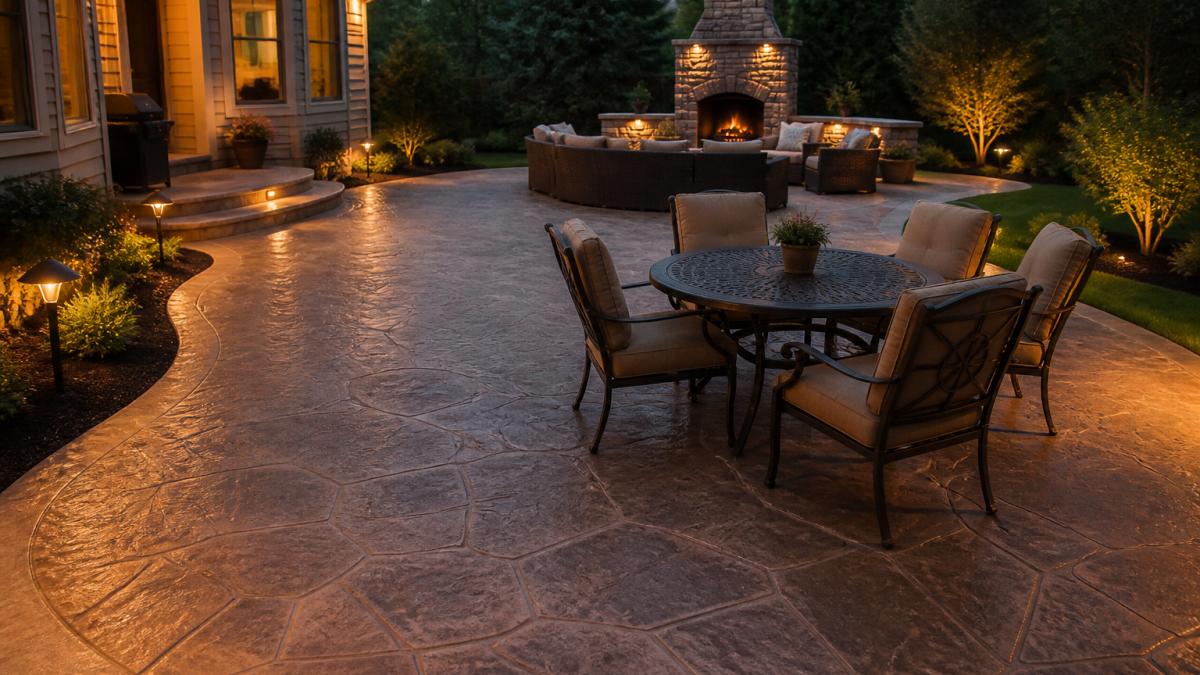
Color options range from natural gray to custom tints mixed into the concrete. Texture can be smooth, broom-finished for slip resistance, or stamped with patterns. Combining these choices with proper sealing creates a surface that looks intentional and designed, not utilitarian.
The flexibility of concrete during installation means you can incorporate curves, levels, or integrated features like built-in benches or fire pit surrounds. These design elements add personality and functionality without compromising the durability that makes concrete practical for long-term outdoor use.
When planning your patio design, work with an experienced concrete contractor who understands how finishes affect maintenance and longevity. RTS Builders, LLC brings over 10 years of residential construction experience to concrete projects, ensuring your design choices enhance both appearance and performance.
A concrete patio is a practical investment in your outdoor living space. The benefits of concrete patio installation, durability, low maintenance, and design flexibility, make it a smart choice for homeowners planning a lasting addition to their property. RTS Builders, LLC specializes in concrete work that combines careful planning, proven installation methods, and attention to detail. Whether you're adding a new patio, planning an outdoor entertaining area, or expanding your backyard functionality, our licensed team delivers projects on schedule with the quality and communication you deserve. Ready to build your ideal outdoor space? Contact RTS Builders, LLC to discuss your concrete patio project and let's bring your vision to life.
Frequently Asked Questions
How long does a concrete patio typically last?
A properly installed and maintained concrete patio typically lasts 25 to 30 years or more. Lifespan depends on climate, drainage, soil conditions, and how well you maintain it. Sealing every 2 to 3 years and addressing cracks early extends durability. In areas with freeze-thaw cycles or poor drainage, concrete may develop damage sooner without preventive care.
Is a concrete patio cheaper than pavers?
Concrete patios generally have a lower upfront installation cost compared to pavers. However, total long-term value depends on maintenance needs, climate, and durability. Concrete requires sealing and crack repair, while pavers may need individual replacement but offer easier spot repairs. Get a detailed quote from a concrete contractor to compare both upfront costs and expected repair expenses over time.
What are the main downsides of concrete patios?
Common drawbacks include cracking due to freeze-thaw cycles, soil movement, or improper curing; surface wear and staining from heavy foot traffic; and the need for regular sealing. Concrete can also become slippery when wet, creating trip hazards. In certain climates, drainage issues and poor soil preparation lead to costly repairs. Proper installation, drainage planning, and maintenance minimize these risks.
Does a concrete patio require a lot of maintenance?
Concrete patios require routine cleaning and periodic sealing, typically every 2 to 3 years, but maintenance is less intensive than some alternatives. You'll need to address cracks promptly and manage stains. Compared to pavers or stone, concrete demands fewer repairs overall. Regular maintenance keeps your patio safe, extends its life, and preserves its appearance, making it a low-maintenance outdoor living choice.