 blog
blog
Augusta New Construction: What Buyers Need to Know
Table of Contents
- Why New Construction Homes Appeal to Augusta Buyers
- New Construction vs. Resale Homes in Augusta
- Cost to Build a House in Augusta, GA
- Augusta New Home Communities and Subdivisions
- Choosing Custom Home Builders in Augusta, GA
- The Augusta, GA Home Building Process: Timeline and Expectations
- What to Verify Before Committing to New Construction
- Frequently Asked Questions
Last Updated: October 12, 2026
Why New Construction Homes Appeal to Augusta Buyers
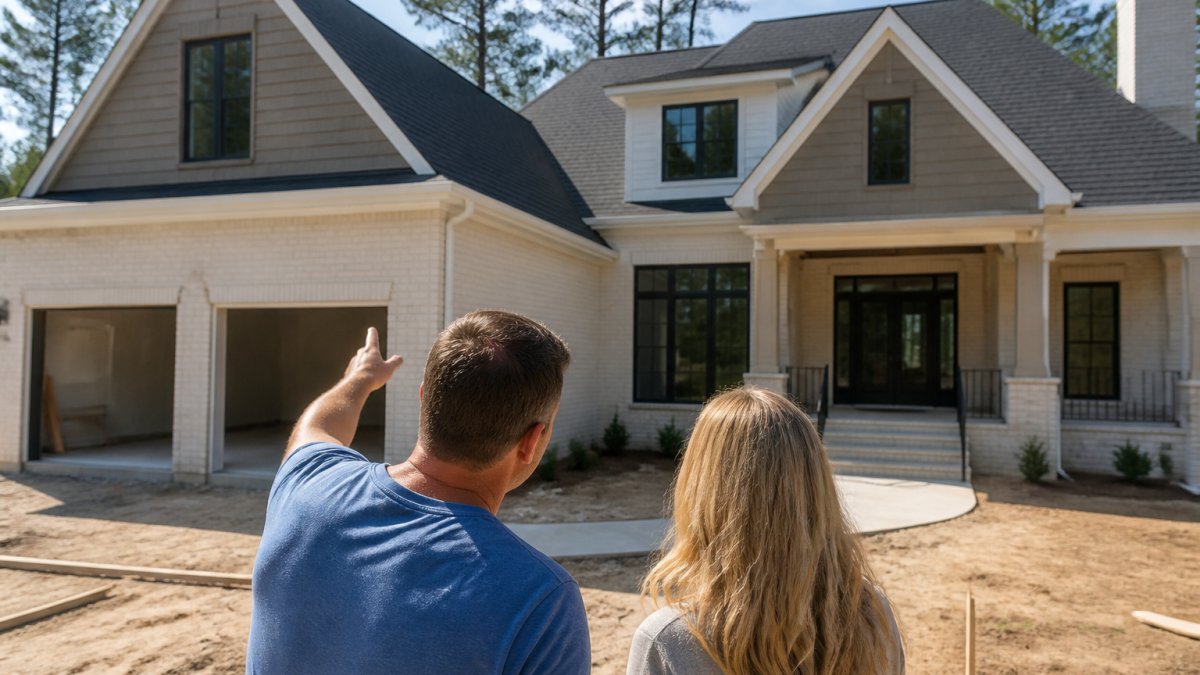
New construction Augusta homes beat resale on modern building codes, energy-efficient systems, and warranties that protect your investment from day one, no inherited deferred maintenance or hidden structural issues.
For growing families, new construction delivers predictability: updated electrical systems, current HVAC technology, and materials chosen for durability in the local climate. No guessing about foundation or roof condition.
The appeal runs deeper than condition: new homes in master-planned communities often include amenities and infrastructure resale can't match. At RTS Builders, LLC, we've worked with homeowners across Evans, Grovetown, and Martinez who chose new construction for design control and the confidence of a brand-new property built to current standards.
New Construction vs. Resale Homes in Augusta
The choice between new construction and resale homes in Augusta comes down to priorities. New construction offers modern systems, builder warranties, and customizable layouts and finishes; resale often costs less upfront and sits in established neighborhoods with mature trees and community character.
Timelines matter too. A custom home takes months of planning and construction; resale closes in weeks. If you need housing immediately, resale may be your only option, but with flexibility, new construction lets you design exactly what you need.
Here's where the comparison gets practical:
| Factor | New Construction | Resale Homes |
|---|---|---|
| Customization | Full control over design and finishes | Limited to existing layout |
| Warranties | Builder warranties on systems and structure | Potential issues from previous owners |
| Timeline | 6-12 months typical | 30-60 days typical |
| Energy Efficiency | Modern systems and insulation | Varies; may need upgrades |
| Move-In Condition | Ready with new everything | May need repairs or updates |
| Neighborhood Maturity | Newer, developing communities | Established with mature landscaping |
New construction suits buyers who value control and long-term reliability; resale works for those who need speed and established character.
Cost to Build a House in Augusta, GA
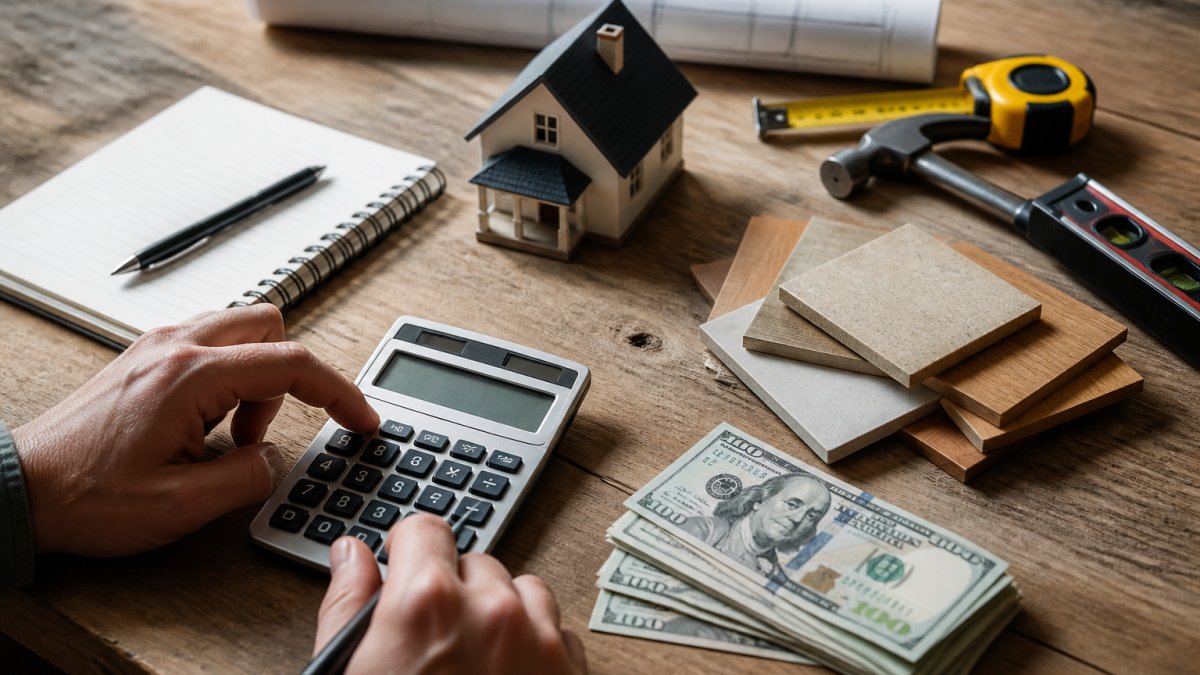
Most listing pages show a base price and stop there. That number is not what you pay. The real cost to build a house in the area is a stack of line items, and buyers who understand the stack negotiate better and avoid mid-project surprises.
The cost stack, in order of when you pay it:
- Land or lot. Buy a finished lot from a developer, or buy raw land and pay for clearing, grading, and utility hookups. Finished lots carry a premium because water, sewer, power, and roads are already in; raw land looks cheaper until you price the site work.
- Site preparation. Clearing, grading, erosion control, and soil testing. Problem soils, expansive clay is common here, can require engineered fill or a pier foundation, which moves the number materially.
- Foundation. Slab, crawlspace, or basement. Slab is the least expensive; basements are rare here because of the water table.
- Shell. Framing, roofing, windows, exterior cladding, and doors. This is the largest single line item.
- Systems rough-in. Electrical, plumbing, and HVAC. Inspections happen here; failures cost time and money.
- Interior finishes. Drywall, paint, flooring, cabinetry, countertops, fixtures, and trim, where upgrade decisions blow budgets fastest.
- Permits and impact fees. Pulled from the local jurisdiction. Fees scale with square footage and number of fixtures.
- Financing costs. See below, this is the line item buyers most often forget.
- Contingency. Standard practice is to hold 10-15% of the construction budget for change orders and unknowns.
How construction financing actually works.
A construction loan is not a mortgage. It is a short-term, interest-only loan drawn in stages as work is completed, with each draw inspected before the next is released. You pay interest only on the amount drawn, so carrying cost rises as the house goes up.
Total cost of ownership, not just purchase price.
Listing price is one number. The monthly number is another. When you compare a new build against a resale, compare these side by side:
- Property taxes. Assessed value and millage rate vary by county and city limits. New construction is often assessed at land value until the certificate of occupancy, then reassessed, your first full tax bill can exceed the estimate you were given.
- HOA dues. Master-planned communities charge monthly or annual dues. Ask what they cover and what they do not. Special assessments for new amenities are common.
- Homeowners insurance. New roofs and systems usually price better than older homes, but wind and hail exposure drives premiums here. Get a quote before you commit.
- Utilities. New construction is typically tighter and more efficient, so utility costs run lower than a comparable older home, but only if the builder installed the promised efficiency package. Verify the specs.
- Upgrades. Base price rarely includes the finishes you saw in the model home. Ask for the upgrade price list before you sign, not after.
- Closing costs. Lender fees, title, appraisal, survey, and prepaid escrows. Budget 2-5% of the loan amount (Determine your down payment).
- Maintenance reserve. New homes have fewer surprises, but they still need a reserve. Set one aside from day one.
Where the money actually goes wrong.
A common pattern: a buyer budgets to the base price, adds flooring, cabinetry, lighting, and landscaping upgrades during selections, hits an unexpected site condition, then discovers the first tax bill is higher than projected. Each is manageable alone; together they overrun budgets.
Augusta New Home Communities and Subdivisions
Most search results for new construction here are a single builder's page or a listing feed, neither offers a neutral way to compare communities. This section does.
How to compare communities without a sales pitch.
Build a simple grid. For each community you are considering, fill in the same columns:
- Builder(s) active in the community. Some subdivisions have one builder, others several. Multiple builders let you compare quality and price on the same street.
- Price band and home sizes. What is the entry price, and what square footage does it buy? A wide band usually means a mix of product types.
- Included features. What comes standard versus upgrade? This is the biggest source of apples-to-oranges pricing.
- HOA dues and what they cover. Monthly or annual, and whether common areas, amenities, or private roads are included.
- Amenities. Pool, clubhouse, trails, playground, green space. Ask whether amenities are built or planned, planned amenities sometimes never get built.
- Lot sizes and setbacks. Smaller lots mean closer neighbors. Check the plat, not the brochure.
- School attendance zones. Verify with the district, not the sales office. Zones can change as new schools open.
- Build-out status. How many homes are left to build? Near build-out means less construction noise ahead; a new phase means years of it.
- Warranty terms. Structural, systems, and workmanship coverage lengths and what is excluded.
Area-by-area character.
- Evans and Martinez. Established, west-side feel. Mix of newer subdivisions and older neighborhoods. Convenient to major retail and medical corridors.
- Grovetown. One of the faster-growing areas with a high concentration of newer subdivisions and master-planned communities. More inventory, more builder competition, more amenity packages.
- Harlem. Smaller-town feel with newer development, often at a lower price point than the west side.
- North Augusta. Across the river, distinct tax and school considerations. Verify both before you compare prices.
- West Augusta and the older city core. Infill and custom lots rather than large subdivisions. Different process, different trade-offs.
The comparison competitors will not give you.
When you tour, ask each builder the same five questions and write down the answers:
- What is included in the base price, itemized?
- What is the warranty, structural, systems, workmanship, and what is excluded?
- Who supervises the job daily, and how do I reach them?
- What is your change-order process, in writing?
- Can I speak with three recent buyers whose homes are past the one-year warranty mark?
The answers, side by side, tell you more than any model home tour.
Choosing Custom Home Builders in Augusta, GA
Selecting the right custom home builder in Augusta, GA shapes your entire building experience, whether the project runs smoothly or becomes a source of stress.
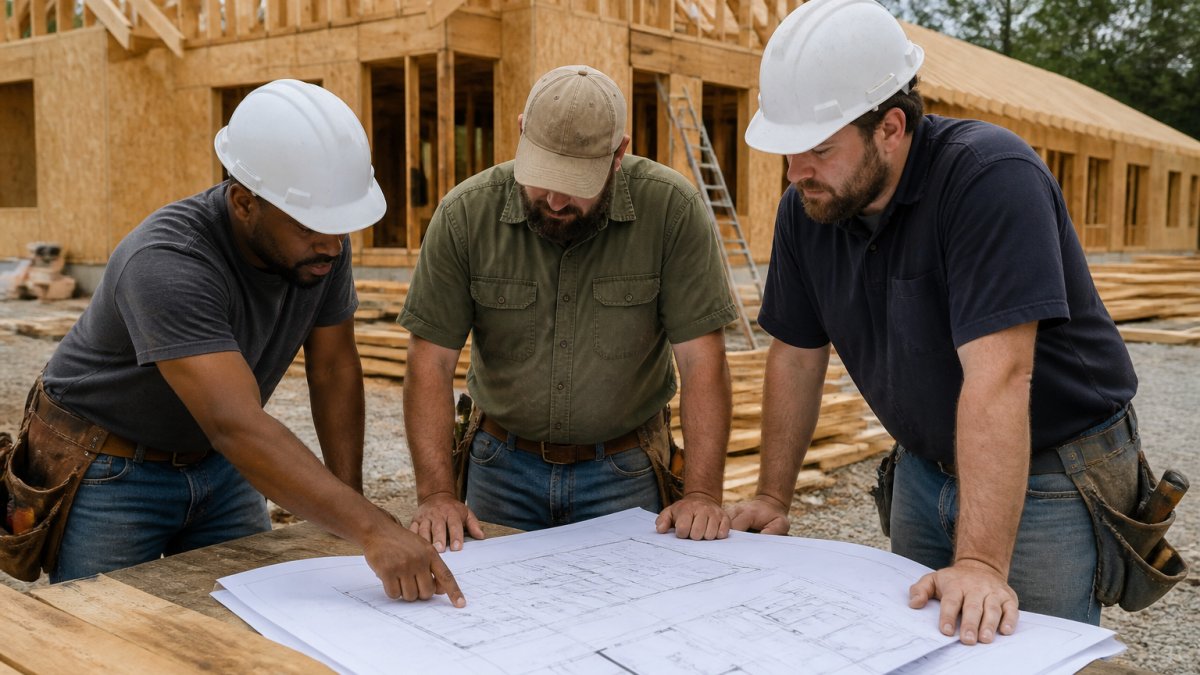
Look for verifiable experience in custom home construction, not just residential development. Ask about project timelines, change order processes, and how they handle unexpected issues.
Licensing and insurance matter. Verify that your builder holds a current residential contractor license and carries liability insurance and workers' compensation coverage. These protections matter if something goes wrong during construction.
RTS Builders, LLC brings over 10 years of residential and commercial construction experience to every project.
Ask prospective builders for references from recent projects, then contact those homeowners directly: Did the builder stay on schedule? How were change orders handled? Would they hire the same builder again?
The Augusta, GA Home Building Process: Timeline and Expectations
Understanding the home building process helps you prepare.
Planning and design come first: finalize floor plans, select finishes, and address custom modifications.
Site preparation and foundation work come next: the builder clears and prepares the lot, completes soil testing, and pours the foundation.
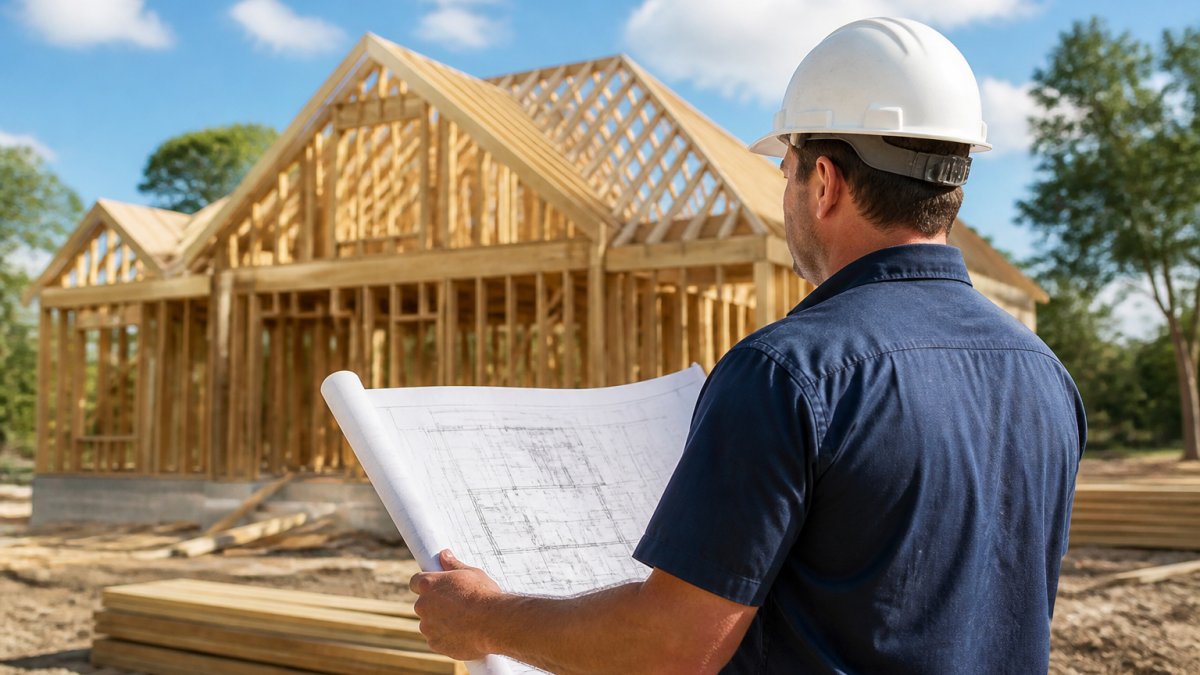
Framing typically takes 4-6 weeks. The structural frame goes up, the roof is installed, and the basic envelope is completed.
Systems installation follows: electrical, plumbing, HVAC, and insulation. This phase takes 3-4 weeks and requires multiple inspections to ensure work meets code requirements.
Interior finishing includes drywall, flooring, painting, cabinetry, and fixture installation. This phase takes 6-8 weeks and is where most customization becomes visible.
Total timeline from start to move-in typically ranges from 6-12 months, depending on complexity and any issues that emerge during construction.
What to Verify Before Committing to New Construction
Before signing a new construction contract, verify the details that protect your investment and set clear expectations.
Get everything in writing, verbal promises mean nothing in construction.
Understand the change order process. Construction often reveals unexpected soil conditions, hidden damage, or code requirements.
Review the warranty coverage carefully. New homes typically come with builder warranties covering structural defects and system performance, but coverage varies.
Verify the builder's licensing and insurance. Confirm that your builder holds a current residential contractor license in the state.
Conduct independent inspections at key phases.
Research the builder's reputation with past clients. Look for patterns in reviews and references.
Building your forever home in Augusta requires careful planning, clear communication, and a builder you trust.
RTS Builders, LLC understands the Augusta market and what it takes to deliver custom homes with quality craftsmanship and reliable project management.
Frequently Asked Questions
How much does it cost to build a house in Augusta, GA?
The cost to build a house in Augusta, GA depends on several factors: lot size, square footage, floor plan complexity, material choices, and site conditions. Pricing varies widely based on whether you're building a modest townhome or a custom estate home in a master-planned community. For accurate pricing tailored to your specific needs and budget, contact a local builder directly for a detailed quote and cost breakdown.
How long does it take to build a custom home in Augusta?
Construction timelines depend on home size, complexity, weather delays, and permit processing. Discuss realistic timelines upfront with your builder, including contingencies for unexpected issues like foundation conditions or supply delays.
What should I ask a custom home builder before signing a contract?
Ask about their experience with custom homes in the Augusta area, their warranty coverage, how they handle change orders and unexpected costs, their communication process during construction, and references from recent clients. Request a detailed timeline, clarify which costs are included in the base price, and understand their process for managing permits and inspections. A transparent builder will answer these questions confidently and provide documentation.
What's the difference between new construction and resale homes in Augusta?
New construction homes offer modern building codes, energy-efficient systems, updated floor plans, and builder warranties. Resale homes may offer established neighborhoods, mature landscaping, and potentially lower prices, but often require inspections and repairs. New construction provides predictability and customization options, while resale homes provide immediate occupancy and neighborhood history. Your choice depends on budget, timeline, and whether you want to customize your home.